Mannequins in the River

On the afternoon of December 14, 1996, the bulk cargo ship Bright Field lost power and collided with the Riverwalk Marketplace in New Orleans. The vessel was fully loaded with grain, making it a heavy object with a significant impact force. With no engine power, the ship rode the currents and bore down on the crowded mall. Those dining in the elevated food court looked up from their red beans and rice and shrimp poboys to see the massive bow of a ship looming over them with its sirens blaring. The physical damage to the Riverwalk, including the pier, condominiums, shops, and hotel, totaled an estimated $15 million. Sixty-six people were injured, but there was no loss of life.

Several years later, I met a police detective who was on duty that day. “My chief called and told me to get to the Riverwalk right away,” he said, “because there were dozens of dead bodies floating down the river. When I arrived, what I actually saw were multiple mannequins in the water that had fallen from the shopping center.” He smiled and said, “I had never been so relieved in all of my life.”

Fortunately, nothing like this has ever happened to me, but there have been many times when I was relieved to discover that what I believed to be true actually had no basis in reality. Once, I was convinced I was going to get stuck in an elevator when I had to go to the bathroom. Another time, I couldn’t remember a person’s name when I was praying for them. I made it through the prayer, but I was so worried they would realize I couldn’t remember their name and not just get mad at me but reject the Lord as well. 

People everywhere worry about the strangest things: running out of phone battery, looking awkward on a Zoom call, falling in public, forgetting where we parked, and not getting enough likes on social media. Why do we do this? Could it be that we have come to accept worry as a normal part of life? Even people in the Bible acted on their worries. Moses was worried about his ability to speak in public. After watching God defeat the prophets of Baal, Elijah was afraid that Jezebel was going to kill him. Jonah ran from God because he was worried that the Ninevites would repent. Even Mary, the mother of Jesus, was initially worried about how the virgin birth would impact her relationship with her family and with Joseph. Worry is a common human experience, even for those who have great faith. 

But the Lord doesn’t want us to wallow in worry. The Apostle Paul, in Philippians 4:6-7, wrote, “Do not be anxious about anything, but in everything, by prayer and petition, with thanksgiving, present your requests to God. And the peace of God, which transcends all understanding, will guard your hearts and your minds in Christ Jesus.” Worry is so common amongst all people that it’s easy to forget that instead of worrying, we should be praying and seeking the Lord. But when we do, God’s peace, which truly is bigger than anything we can conceive, will protect our feelings and our thoughts as we trust in Christ Jesus.

* Image courtesy of Marco Bianchetti

Memorial Day in Aucoin

On a breezy Memorial Day morning, the small town of Aucoin prepared for its annual commemoration. Colorful flags waved gently in the wind, and the scent of blooming flowers filled the air. Children laughed and played, their innocence a reminder of the freedom fought for by so many.

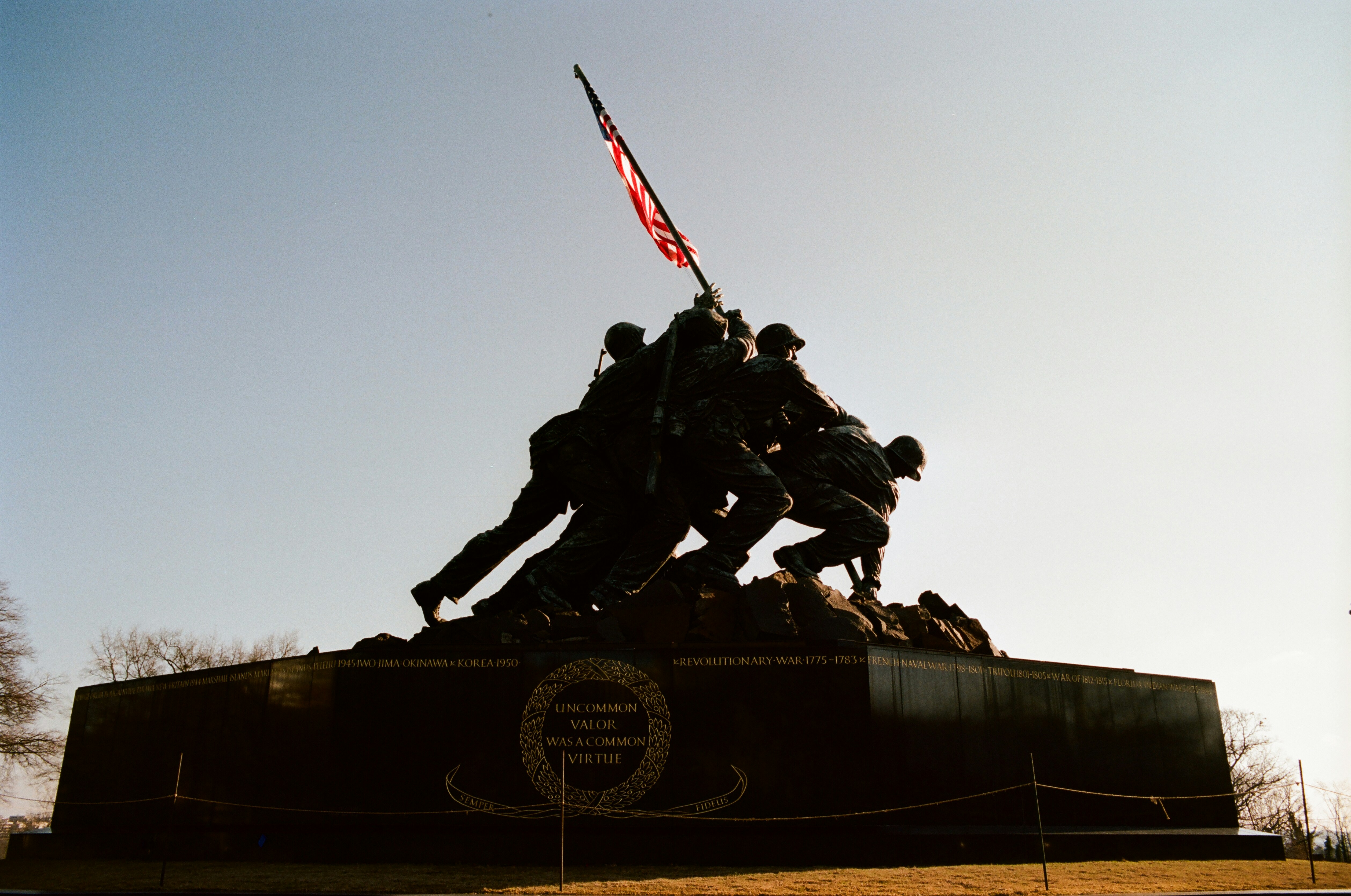
At the center of town stood a weathered veterans’ memorial, its stone engraved with the names of soldiers from wars and conflicts who had given their all for their country. Among them was Sergeant James Frazier, an Aucoin native come local hero who left for war with a heart full of dreams yet returned only in the memories of those who loved him.

As the courthouse clock struck ten, townsfolk gathered for a solemn ceremony. Among them was Chelsea, James’ younger sister, now a mother herself. Her memories of her brother were vivid: the laughter they shared, the stories he told, the secrets they kept, each moment glowing like sunlight on a summer’s day. She recalled the day he enlisted, how proud and terrified she felt watching him march away.

After a stirring rendition of patriotic favorites, the crowd grew silent. Slowly, Mayor Frederick Johnson stepped forward, honoring not just James, but all who had served. “Today,” he said reverently, “We remember their sacrifices, the families left behind, and the dreams unfulfilled. We stand united in gratitude.”

As he spoke, Chelsea held her young daughter, Emma, close.

“What’s he talking about, Mama?” asked Emma, who was starting to get restless.

Chelsea leaned down and whispered, “He’s talking about your Uncle James, sweet girl.”

“He was your brother, wasn’t he?”

“Yes, he was,” said Chelsea, her eyes tearing up slightly. “He fought for our freedom, baby girl. His name is on the monument.”

Emma looked at her mother with innocence. “We should say thank you?”

Tears glistened in Chelsea’s eyes as she nodded. After the ceremony, they walked to the memorial, flowers in hand. Emma knelt, placing her petals gently at the base. “Thank you for keeping us safe,” she said softly, her small voice carrying the weight of gratitude.

In that moment, a gentle breeze scattered the flowers, forming a colorful carpet at the foot of the memorial—a reminder that love and sacrifice unite generations. Later that evening, as the sun dipped below the horizon, the town of Aucoin lit candles, illuminating the names engraved on the stone, shining brightly like stars in the night.

Through their tears and laughter, the town of Aucoin honored those who gave their everything. They remembered that freedom isn’t free but comes at a price while simultaneously bringing hope and unity for a brighter tomorrow. Every heart beat in gratitude, and every story told echoed the eternal spirit of freedom.

*Image courtesy of Aaron Burden

Easter Sunday

The Resurrection of Jesus

But very early on Sunday morning, the women went to the tomb, taking the spices they had prepared. They found that the stone had been rolled away from the entrance. So they went in, but they didn’t find the body of the Lord Jesus. As they stood there puzzled, two men suddenly appeared to them, clothed in dazzling robes. The women were terrified and bowed with their faces to the ground. Then the men asked, “Why are you looking among the dead for someone who is alive? He isn’t here! He is risen from the dead! Remember what He told you back in Galilee, that the Son of Man must be betrayed into the hands of sinful men and be crucified, and that he would rise again on the third day.” (Luke 24:1-7)

The sun had not yet risen over Jerusalem, but a soft light began to creep into the sky, announcing the dawn of a new day. Mary Magdalene, with a few other women, went to the tomb where the body of Jesus lay. Their hearts were heavy, burdened by grief. The events of the past few days replayed in their minds: the betrayal, the arrest, the crucifixion, and the burial of Jesus. As they approached the tomb, they carried spices and oils, hoping to honor the body of the One they loved. They whispered to each other, concerned about the heavy stone sealing the entrance. But their worry momentarily faded as they saw that the stone had been rolled away, revealing an empty tomb. 

“Who has taken Him?” Mary gasped, her heart pounding. The others echoed her confusion as they peered inside. The grave clothes that had wrapped Jesus were neatly folded and an unsettling mixture of hope and fear filled the air. Suddenly, two men in dazzling apparel appeared, their presence both alarming and comforting. “Why do you seek the living among the dead?” they asked, their voices echoing in the silence of the sacred place. Mary’s heart raced, caught between sorrow and the spark of something she could not yet grasp. She knew they were speaking of Jesus, but the weight of her grief clouded her understanding. “He is not here,” one of the men explained. “He has risen!”

Those words hung in the air, striking a chord deep within her as memories of Jesus flooded her heart – the miracles, the teachings, the moments of profound love and grace. She remembered Jesus saying He would rise again. Could it be true? Could He truly be alive? “Remember how He told you,” the angels said, “that the Son of Man must be delivered into the hands of sinful men, be crucified, and rise on the third day.” In that moment, as clarity began to break through her disbelief, the heaviness in Mary’s heart lightened, replaced by the thrill of hope. This was the end by no means. Instead, this was an incredible new beginning because Jesus was alive!

Prayer: Lord, today we celebrate the resurrection of Your Son! Thank You for defeating death, hell, and the grave, We worship You on this Easter Sunday. In Jesus’ name, Amen. 

Followup Activity: Today, as you go throughout your day, greet people by saying, “He is risen!” If they look at you with a puzzled look, let them know that you are celebrating the resurrection of Jesus. If you are leading your family through this devotion, lead them to do the same.

*Image courtesy of Jonny Gios

**This devotion is a part of RENEWED, an 8-day Holy Week Devotional from Celebration Church and available at http://www.celebrationchurch.org/library

Holy Saturday

The Guards Secure the Tomb

The next day, on the Sabbath, the leading priests and Pharisees went to see Pilate. They told him, “Sir, we remember what that deceiver once said while He was still alive: ‘After three days I will rise from the dead.’ So we request that you seal the tomb until the third day. This will prevent His disciples from coming and stealing His body and then telling everyone He was raised from the dead! If that happens, we’ll be worse off than we were at first.” Pilate replied, “Take guards and secure it the best you can.” So they sealed the tomb and posted guards to protect it. (Matthew 27:62-66)

It had been a long week. On Sunday, Jesus rode triumphantly into Jerusalem. On Monday, He cleansed the temple. On Tuesday, He debated with the Jewish leaders. On Wednesday, He was anointed by Mary, the sister of Lazarus. On Thursday, He washed His disciples’ feet at the Last Supper. On Friday, He was crucified at the place of the skull. And then came Saturday. 

On Friday, Jesus cried out, “It is finished!” But on Saturday, when His body lay still and the stone was in place over the entrance of the tomb, Jesus was silent. Sunday may be coming, but for now, everything is quiet. Even the Lord was quiet. Max Lucado writes, “He (God) made Himself heard on Friday. He tore the curtains of the temple, opened the graves of the dead, rocked the earth, blocked the sun of the sky, and sacrificed the Son of Heaven. Earth heard much of God on Friday.” However… there is “Nothing on Saturday. Jesus is silent. God is silent. Saturday is silent.” 

Because of its silence, Holy Saturday doesn’t get much attention in the life of the church. Christians often observe Maundy Thursday with foot washing, Good Friday with Communion, and Easter Sunday with an explosive celebration. Good Friday marks the day when Jesus paid the price of redemption, and Easter Sunday marks the day of His glorious resurrection, but there in between is Saturday, and on that day, He is silent. It’s in this type of silence that we often feel the sting of death the hardest and sense the deepest sadness, which, until the quiet, we’ve hidden away inside ourselves. 

Sometimes God is silent on Saturday. In life, we experience many silent Saturdays. We might even endure a week or a month or even a year of Saturdays when we’re just waiting for God to speak. In those days, we must remember that Saturday’s silence is never God’s final word. He has not abandoned us. He is hard at work in our lives for our good and for His purposes. 

Yes, it can be deathly quiet on Saturday, but Sunday is on the way.

Prayer: Lord, in times when You seem silent, help us to always remember that You have not abandoned us and that You still have wonderful plans for our lives. In Jesus’ name, Amen. 

Followup Activity: Today, write out a prayer list of those people you would like to see God transform, specific needs you would like to see Him meet, and for guidance and patience in your own life as you wait for Easter Sunday. If you are leading your family through this devotion, lead them to do the same.

*Photo courtesy of Sincerely Media

**This devotion is part of RENEWED, a Holy Week Devotional from Celebration Church in New Orleans available for free download at http://www.celebrationchurch.org/library

Good Friday

The Crucifixion

Scripture – The soldiers took Jesus into the courtyard of the governor’s headquarters and called out the entire regiment. They dressed Him in a purple robe, and they wove thorn branches into a crown and put it on His head. Then they saluted Him and taunted, “Hail! King of the Jews!” And they struck Him on the head with a reed stick, spit on Him, and dropped to their knees in mock worship. When they were finally tired of mocking him, they took off the purple robe and put His own clothes on Him again. Then they led Him away to be crucified. 

And they brought Jesus to a place called Golgotha (which means “Place of the Skull”). Then the soldiers nailed Him to the cross. They divided His clothes and threw dice to decide who would get each piece. It was nine o’clock in the morning when they crucified Him… At noon, darkness fell across the whole land until three o’clock. Then at three o’clock Jesus called out with a loud voice, “Eloi, Eloi, lema sabachthani?” which means “My God, my God, why have You abandoned Me?”  Then Jesus uttered another loud cry and breathed His last. And the curtain in the sanctuary of the Temple was torn in two, from top to bottom. When the Roman officer who stood facing Him saw how He had died, He exclaimed, “This Man truly was the Son of God!” (Mark 15:16-20, 22, 24-25, 33, 37-39)

Today is Good Friday. Over the years, this day has been called Holy Friday, Mourning Friday, High Friday, Silent Friday, and even Sorrowful Friday. The Danish are known to call it Long Friday, which is a suitable name for the day when Jesus spent multiple hours undergoing a mockery of a trial, merciless beatings, crucifixion, and death. 

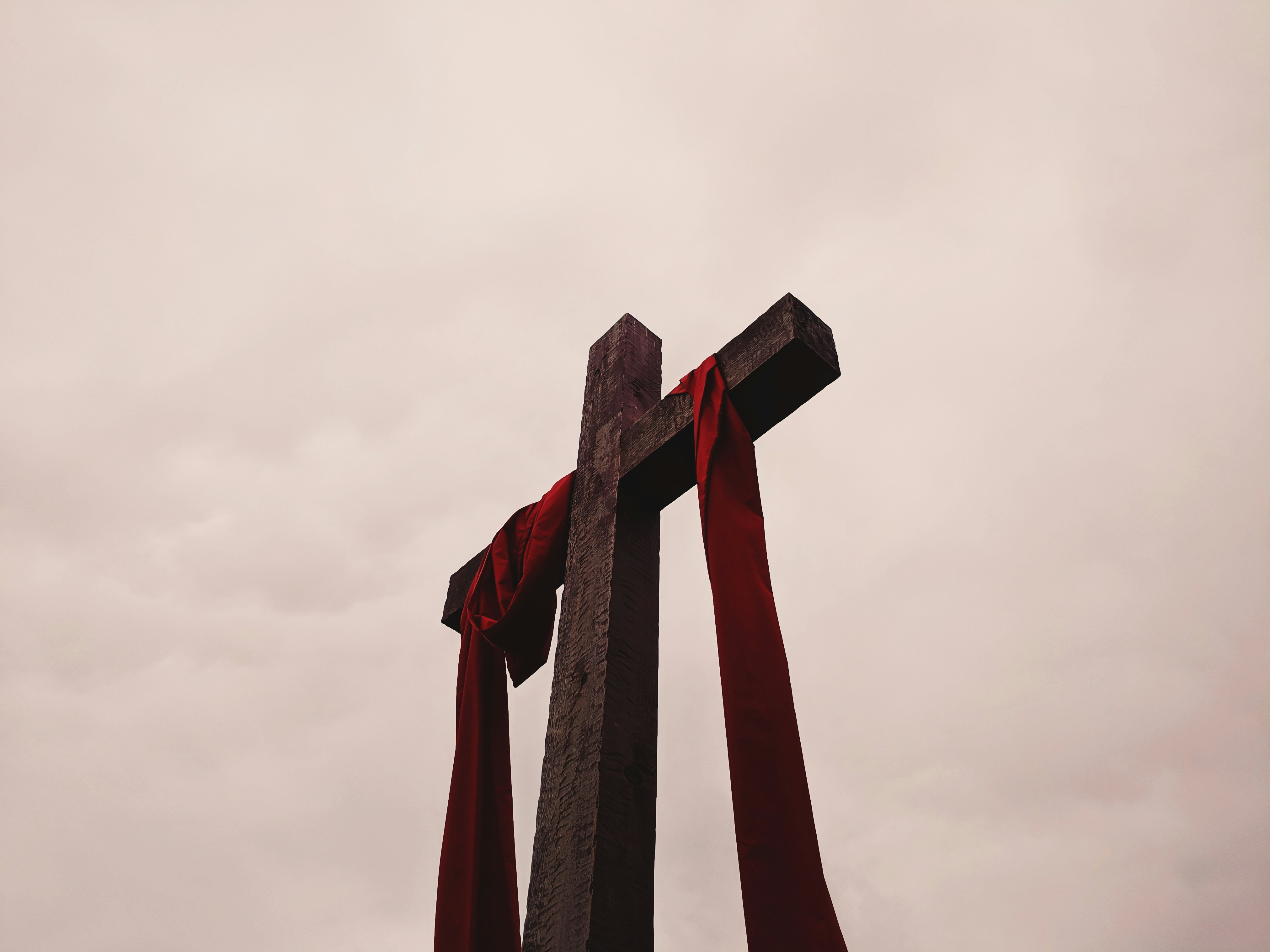
At the time, crucifixion was the type of execution reserved for serious criminals and slaves. Jesus, the Son of God, was flogged with a lead-tipped whip and forced to carry the very cross He would die upon. Upon His head was a crown of thorns meant to humiliate Him further while inflicting further pain. On the hill where He would die, the soldiers nailed Jesus to the cross and lifted Him up between two thieves. For six hours, Jesus bled and struggled to breathe as the crowds mocked Him. Halfway through His agony, sometime around noon, the sky grew dark. Before He died, Jesus cried out, “Father, in Your hands I commend My Spirit,” and then, He died

Yes, it was certainly a long Friday. The Holy Son of God had been lifted up high on the cross so all could see His death. His followers mourned, and His mother was obviously sorrowful. Even though the crowd was loud, there were certainly times of silence, for many, there was nothing more to say. What’s so good about this Friday when Jesus suffered for hours and finally died on a cross? 

Everything. The price was paid. Redemption had been won. 

Prayer: Lord, thank You for Your sacrifice that paid the price for my sins. In Jesus’ name, Amen.

Follow-up Activity: Read Mark 15 on your own or with your family and then write a prayer to the Lord, thanking Him for the price He paid for our salvation.

*Image Courtesy of Ismael Paramo

**This devotion is a part of RENEWED, a Holy Week Devotional by Celebration Church available for free download at http://www.celebrationchurch.org/library.

Maundy Thursday

Jesus Washes His Disciples’ Feet

Scripture – He (Jesus) got up from the table, took off His robe, wrapped a towel around His waist, and poured water into a basin. Then He began to wash the disciples’ feet, drying them with the towel He had around Him… After washing their feet, He put on His robe again and sat down and asked, “Do you understand what I was doing? You call Me ‘Teacher’ and ‘Lord,’ and you are right, because that’s what I am. And since I, your Lord and Teacher, have washed your feet, you ought to wash each other’s feet. I have given you an example to follow. Do as I have done to you… So now I am giving you a new commandment: Love each other. Just as I have loved you, you should love each other.” (John 13:4-5, 12-15, 34)

Maundy Thursday. It’s a strange name for the day when the disciples had their last evening with Jesus – the day before He was arrested, beaten, and crucified. The word “maundy” comes from the Latin word “command” or “mandate.” It was on this day that Jesus commanded His disciples not to fight with Him to the death but to love one another as He had loved them. His command would lead them to a whole new way of living filled with love, unity, and forgiveness. 

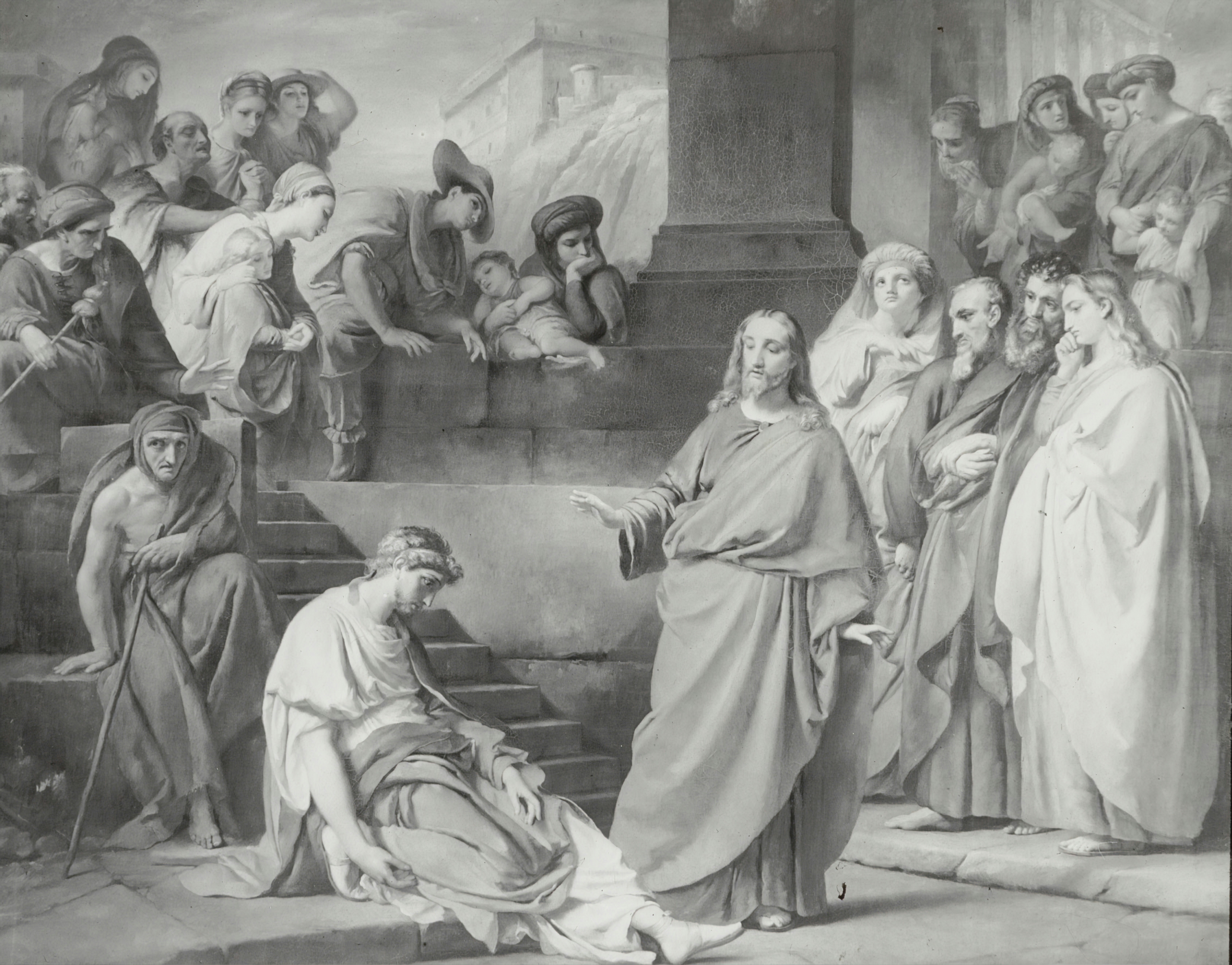
Prior to speaking these words, Jesus knelt down to wash His disciples’ feet, a model of love for the disciples that they were not expecting. For the sandal-wearing disciples, foot washing was a common practice, but washing the dirt from another person’s feet was something else altogether. It was a task reserved for the lowest-ranking servants. In a household without slaves, everyone was expected to wash their own feet. And yet, Jesus willingly dropped to His knees to wash the feet of His disciples, who were probably shocked and even embarrassed by Jesus’ act of humility and service.    

The love Jesus wanted His disciples to have for one another was radical. That is why He felt the need to command them to love each other. In fact, Jesus said this type of love would be the sign that a person was truly His disciple. More than being known for its correct theology, great music, phenomenal preaching, or online platform, the church should be known as a community where love is felt by everyone.   

Prayer: Lord, on this Maundy Thursday, help us embody the love You showed in service and sacrifice. As we grow closer to You, help us grow closer to one another, all the while with kindness and compassion in our hearts. Guide us to follow Your example, and may our love reflect Your own across this world. In Jesus’ name, Amen. 

Followup Activity: In your journal or on a piece of paper, make a list of 3-5 people you find difficult to love. Then, beside each name, write a simple way you could show them love today. From your list, choose one person to whom you can show kindness today. If you are leading your family through this devotion, guide each family member to complete the same exercise.

*Photo courtesy of Agustin Fernandez

**This devotion is a part of RENEWED, a Holy Week Devotional from Celebration Church in New Orleans. This 8-Day Devotional is available for free download at http://www.celebrationchurch.org/library

Spy Wednesday

Jesus Anointed At Bethany/Judas Agrees To Betray Jesus

Scripture – Meanwhile, Jesus was in Bethany at the home of Simon, a man who had previously had leprosy. While He was eating, a woman came in with a beautiful alabaster jar of expensive perfume and poured it over His head. The disciples were indignant when they saw this. “What a waste!” they said. “It could have been sold for a high price and the money given to the poor.”

But Jesus, aware of this, replied, “Why criticize this woman for doing such a good thing to me? You will always have the poor among you, but you will not always have Me. She has poured this perfume on me to prepare my body for burial. I tell you the truth, wherever the Good News is preached throughout the world, this woman’s deed will be remembered and discussed.”

Then Judas Iscariot, one of the twelve disciples, went to the leading priests and asked, “How much will you pay me to betray Jesus to you?” And they gave him thirty pieces of silver. From that time on, Judas began looking for an opportunity to betray Jesus. (Matthew 26:6-16)

Devotional Thought: The first three days of Passion Week were awash in drama – Sunday’s triumphal entry, Monday’s temple cleansing, and Tuesday’s temple confrontations. But then Wednesday enters like the calm before the storm. But Jesus wasn’t fooled by the seemingly peaceful day. He understood that evil was lurking about in the shadows, waiting to rear its ugly head. Wednesday of Passion Week is often called “Spy Wednesday” because it’s when the dark conspiracy against Jesus takes a giant leap, when a traitor, or spy, from within strikes a deal. It is on this day that the key pieces come together in the plot for the greatest sin in all of history, the betrayal and murder of the Son of God. 

However, on this day, a great kindness was also done for Jesus. A woman, believed to be Mary, the sister of Lazarus (John 12), anoints Jesus with expensive perfume. Critical remarks arose from Judas (John 12), saying Mary’s act was wasteful when it could have been sold with the proceeds given to the poor. But Jesus sees Mary’s anointing as an act of extravagant worship, preparing Him for burial. But to Judas, this extravagant anointing is the last straw. Allowing Satan to influence him, he goes to the chief priest and agrees to betray Jesus for thirty pieces of silver. From the beginning of Jesus’ ministry, the disciples have been at His side. They’ve traveled with Him, ministered in His name, and have been His earthly companions. But now, as Judas initiates his betrayal, Jesus is reminded that His death is something He must bear alone for the redemption of the world. 

Prayer: Lord, as I remember the happenings of Spy Wednesday, help me to be like Mary, the sister of Lazarus, who worshiped You with extravagance and abandon. In Jesus’ name, Amen. 

Follow-up Activity: Pray today, asking the Lord how you might worship Him with extravagance and abandon, just like Mary, the sister of Lazarus, did. If you’re leading your family through this devotion time, pray the same thing, either individually or as a family, then discuss any responses anyone may have received from the Lord.

*Image courtesy of Francesco Alberti

**This devotion is part of RENEWED, an 8-day devotional by Celebration Church of New Orleans. The entire devotional is available (in English and Spanish) for free download at http://www.celebrationchurch.org/library

Holy Tuesday

Jesus is Challenged by the Religious Leaders

When Jesus returned to the Temple and began teaching, the leading priests and elders came up to Him. They demanded, “By what authority are You doing all these things? Who gave You the right?”

“I’ll tell you by what authority I do these things if you answer one question,” Jesus replied. “Did John’s authority to baptize come from heaven, or was it merely human?”

They talked it over among themselves. “If we say it was from heaven, He will ask us why we didn’t believe John. But if we say it was merely human, we’ll be mobbed because the people believe John was a prophet.” So they finally replied, “We don’t know.”

And Jesus responded, “Then I won’t tell you by what authority I do these things.” (Matthew 21:23-27)

Palm Sunday was filled with the pageantry of Jesus’ triumphal entry. Holy Monday was filled with surprise as a righteously angry Jesus turned over the merchants’ tables in the temple because they were hindering God’s worship. Some might have believed and even hoped for a quieter day in Jerusalem on Holy Tuesday. Instead, it was filled with drama, with Jesus experiencing a direct, verbal showdown with the Jewish leaders.

These leaders were learned men. Everyone in Jerusalem knew it, and as they approached Jesus in the temple, every eye must have looked to see what they would do while every ear certainly listened to hear these leaders lower the boom and put Jesus in His place. But, as everyone could see, they failed miserably. Instead of being mentally intimidated, Jesus responded with smarter questions and gave clearer answers than they did. They tried to question His motives, but He exposed their hearts. 

Everyone knew Jesus had defeated the Jewish leaders at their own game. But, as these “holy men” walked away, they must have muttered under their breath, “This isn’t over, not by a long shot.” Their hand, in their way of thinking, had been forced. If they wanted to reduce Jesus’ influence, they couldn’t rely on verbal warnings or mere strength. They were going to have to take Him out because it was crystal clear to them that He was not going to yield to their way of thinking. Jesus stood His ground and spent the rest of the day teaching in the temple. It was the last time He would teach in the temple. When Jesus left the temple, the Jewish leaders conspired about how they might have Him arrested and executed. But Jesus knew their plans would actually fit into the will of the Lord.  

Prayer: Lord Jesus, thank You for standing up to the Jewish leaders and fulfilling Your mission, making a way for us to be forgiven of our sin. In Jesus’ name, Amen. 

Followup Activity: In your journal or on a piece of paper, write a prayer thanking God for His determination in fulfilling His plan for our salvation. If you are leading your family through this devotion, encourage each member to compose their own prayer. Help them write if necessary.

*Photo courtesy of Jonny Gios

**This devotion is a part of the 8 Day RENEWED Holy Week devotional available for free download at http://www.celebrationchurch.org/library

Holy Monday – Jesus Clears the Temple

Scripture – Jesus entered the Temple and began to drive out all the people buying and selling animals for sacrifice. He knocked over the tables of the money changers and the chairs of those selling doves. He said to them, “The Scriptures declare, ‘My Temple will be called a house of prayer,’ but you have turned it into a den of thieves!” (Matthew 21:12-13) 

Devotional Thought: What is the first thing you do when you arrive at the church building for worship? It’s probably different from what Jesus did on Holy Monday. That day, Jesus became angry and immediately started overturning the tables of the merchants and driving them out of the temple. This almost seems out of character for Jesus because we think of Him as a peacemaker. However, God is serious about worship. Jesus, being God the Son, realized that the merchants and the moneychangers were making it difficult for people to enter into the temple and worship so He took the appropriate steps to cleanse the temple in order to restore it as a house of prayer and worship. 

In the world of Marvel comics, Bruce Banner transformed into the Incredible Hulk whenever he became angry. This is not what happened to Jesus. He didn’t suddenly transform into a destructive creature while He wasn’t aware of His actions. He was in His right mind and in that moment, it was appropriate for Him to display His righteous anger because of this disruption of worship. Righteous anger is being angry about what makes God the Father angry. Because we are sinful, this is often hard for us to understand because we typically fall into sinful anger which is completely prideful and does not glorify God.

Many of the Jewish leaders were already angry with Jesus. He was well aware that His cleansing of the temple would not improve His relationship with them. He knew that in just a few days, the religious leaders would come to arrest Him. He knew that before Him lay a tremendous amount of pain before His own death on a cross. Even so, He continued to honor and glorify His heavenly Father. When all is said and done, we should strive not to be like the merchants who were distracting people from worship, but like Jesus who knew the heart of God and had the courage to take action. 

Prayer: Lord, thank You for showing us how important worship is to You when Jesus cleared the temple. Thank You that He didn’t back down even though it was so close to His crucifixion. Help me to never be a distraction or a hindrance to others when it is time to worship You. In Jesus’ name, Amen. 

Followup Activity: In your journal or on a piece of paper, make a list of ways you might intentionally or accidentally distract others from worshiping the Lord. Then, next to your first list, make another list of ways you can encourage others when they are worshiping the Lord. Then, pray and ask the Lord to help you always assist others when they come to worship the Lord. If you are leading your family through this devotion, encourage them to do this activity as a family.

*Image courtesy of Marek Studinski

**This devotion is part of an 8-day Holy Week devotional titled RENEWED. It is available as a free download from Celebration Church in New Orleans at http://www.celebrationchurch.org/library.

Palm Sunday – The Triumphal Entry (a devotion)

As Jesus and the disciples approached Jerusalem, they came to the town of Bethphage on the Mount of Olives. Jesus sent two of them on ahead. “Go into the village over there,” He said. “As soon as you enter it, you will see a donkey tied there, with its colt beside it. Untie them and bring them to Me. If anyone asks what you are doing, just say, ‘The Lord needs them,’ and he will immediately let you take them… 

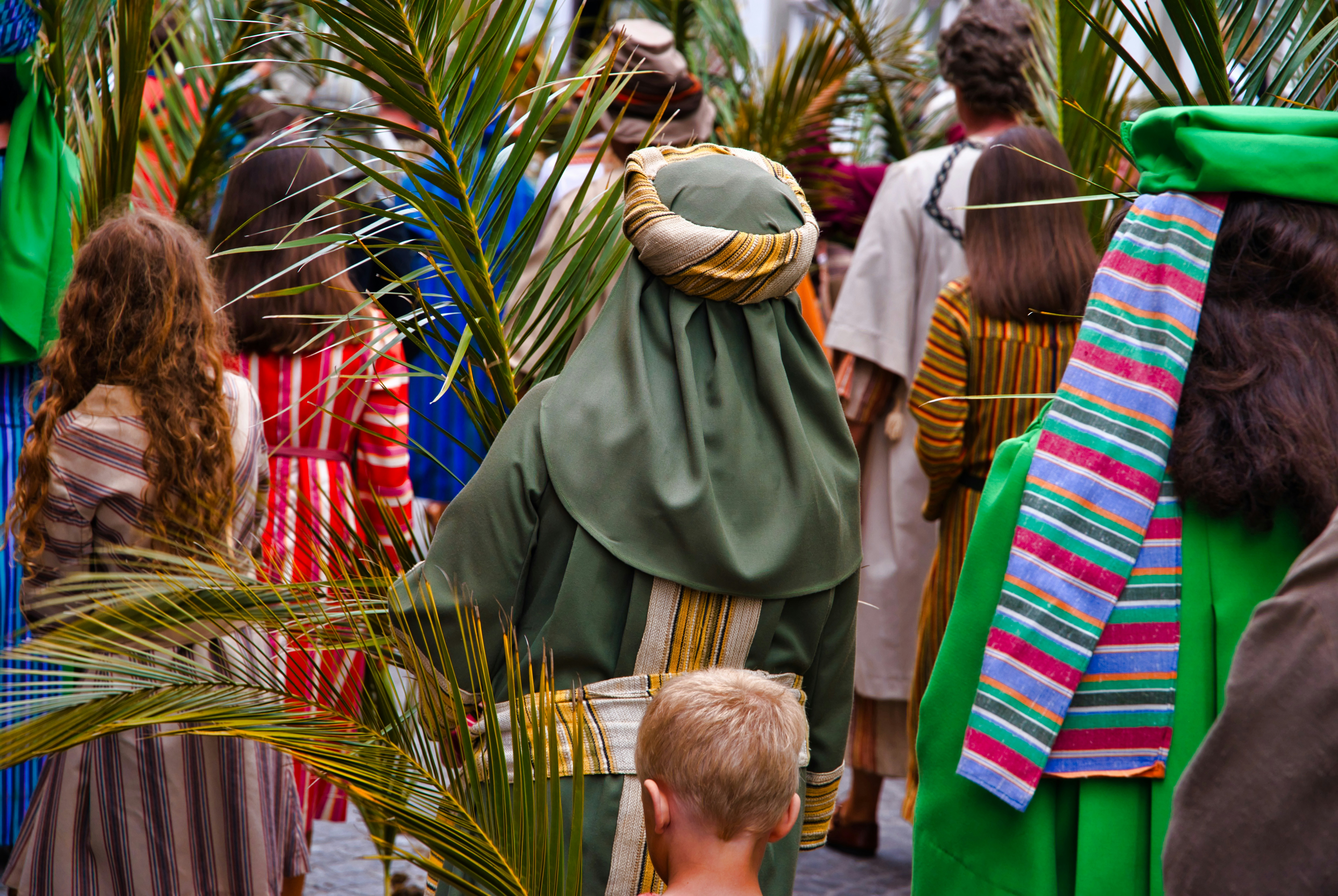
The two disciples did as Jesus commanded. They brought the donkey and the colt to Him and threw their garments over the colt, and He sat on it. Most of the crowd spread their garments on the road ahead of Him, and others cut branches from the trees and spread them on the road. Jesus was in the center of the procession, and the people all around Him were shouting, “Praise God for the Son of David! Blessings on the one who comes in the name of the Lord! Praise God in highest heaven!”

The entire city of Jerusalem was in an uproar as He entered. “Who is this?” they asked. And the crowds replied, “It’s Jesus, the prophet from Nazareth in Galilee.” (Matthew 21:1-3, 6-11)

As Jesus rode into Jerusalem, people spread their cloaks before Him, acknowledging His royalty. On that donkey’s colt, He made public His claim as Messiah, fulfilling Zechariah 9:9 – “Rejoice, O people of Zion! Look, your King is coming to you. He is righteous and victorious, yet He is humble, riding on a donkey- riding on a donkey’s colt.” Many of the people, however, thought of Jesus as an earthly king who would lead them in a revolt against Rome. When Jesus did not meet their expectations, many of them turned on Him, trading their praise for condemnation – their worshipful “hosannas” for angry cries of “Crucify Him!”

The triumphal entry is the story of a King who came on a donkey instead of a horse. The truth is that Jesus Christ comes not to conquer by force as an earthly king but by love, grace, mercy, and personal sacrifice. His kingdom is not one of armies and splendor but of lowliness and servanthood. He comes not to conquer kingdoms and nations but hearts and minds. He brings peace not through might or politics but through reconciliation with God. The type of triumphal entry Jesus wants to make is one into our hearts where He reigns supremely over our lives in righteousness, peace, justice, and unity.

Prayer: Lord, You are the great King over all of the earth. As we remember the happenings of Palm Sunday, help us to invite You to make a triumphal entry into our hearts and lives as we continually humble ourselves before You in worship. In Jesus’ name, Amen. 

Followup Activity: Read Matthew 21:1-11 and reflect on the ways the people honored Jesus as He entered Jerusalem. Then, in your journal or on a piece of paper, make a list of all of the ways we can honor the Lord today. If you’re leading your family through this activity, consider leading them through a time of prayer where you engage in some of the worship practices you’ve listed on your paper. 

* Image courtesy of Tim Mossholder

* This devotion is part of an 8-day Holy Week devotional titled RENEWED. It is available as a free download from Celebration Church in New Orleans at http://www.celebrationchurch.org/library